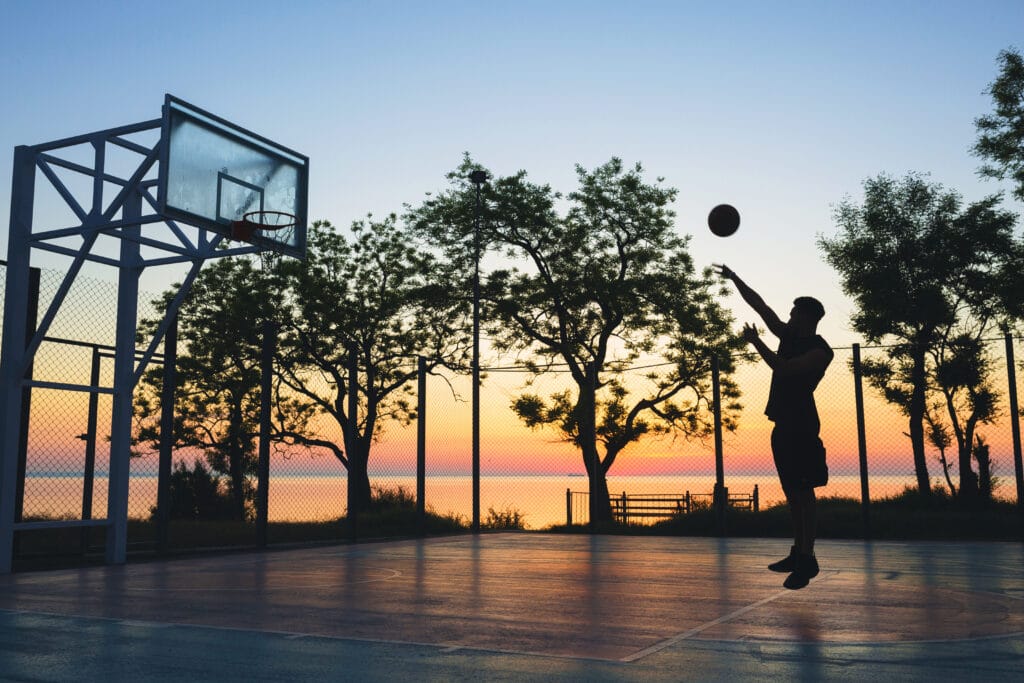
Massage in sports is an essential practice for optimizing athletic performance. Its main objective is to prevent and treat injuries, as well as accelerate muscle recovery after physical activity. There are various techniques for sports massage in Granada These treatments are tailored to the needs of each athlete, whether professional or amateur. This includes everything from pre-competition massages to maintenance treatments to ensure physical well-being.
Benefits of massage in sports activity
The practice of massage in sports offers numerous advantages in injury prevention. These benefits are essential for optimizing performance and ensuring proper recovery after physical exertion.
Prevention of muscle injuries
The implementation of sports massage is crucial in the detection and management of injuries. This type of massage helps maintain muscle and joint health, acting proactively to prevent complications.
Reduction of muscle stiffness
One of the main benefits of massage is its ability to reduce muscle stiffness. This reduction translates into greater comfort during sports activities, allowing the athlete to perform more efficiently.
Improved flexibility and range of motion
Massage leads to a significant improvement in flexibility. Muscles that are properly manipulated gain greater elasticity, allowing for a wider range of motion, essential for optimal performance.
Accelerated muscle recovery
The recovery process after intense training or competition is crucial. Massage offers an effective tool to accelerate muscle recovery time, which is highly beneficial for athletes.
Elimination of toxins and lactic acid
During physical activity, substances accumulate that can cause fatigue and post-exercise soreness. Massage helps to efficiently eliminate toxins and lactic acid, promoting faster and more effective recovery.
Reduction of muscle fatigue
In addition to eliminating metabolites, massage facilitates muscle relaxation, leading to reduced fatigue. Regular consultations with a massage therapist, as detailed in the recommendations for integrating massage, They can help keep the feeling of tiredness at bay during intense workouts.
Improved blood circulation and venous return
Massage also has a positive impact on the circulatory system. The techniques used stimulate blood flow, resulting in a better supply of oxygen and nutrients to the muscles, benefiting both performance and recovery.
Promoting physical and mental relaxation
The positive effects of massage are not limited to the physical aspect. The relaxation it provides contributes significantly to the athlete's mental well-being, helping to reduce the stress associated with competition and intensive training.
Types and techniques of sports massage
There are various types of sports massage, each designed to meet specific objectives that optimize performance and promote athlete recovery. The most relevant ones are detailed below.
Pre-competition massage
This type of massage is performed before a competition and focuses on activating the athlete's muscles. The main objective is to physically prepare the athlete, increasing their performance and minimizing the risk of injury.
Warm up the muscles and increase blood flow
Manipulating warm muscle tissue promotes blood circulation, which warms the muscles and prepares them for exertion. This improves not only elasticity but also efficiency during physical activity.
Optimize physical performance
With specific techniques, preparatory massage can increase muscle contraction capacity, resulting in improved performance during the event. This approach becomes crucial for facing demanding competitions.
Recovery massage after physical activity
Recovery is essential after intense activity, and this is where recovery massage becomes especially important. It focuses on relieving tension and facilitating the elimination of metabolic waste.
Manual lymphatic drainage and decompression massage
These techniques are designed to promote the drainage of fluids accumulated in the tissues, reducing inflammation and facilitating a faster recovery. They help eliminate toxins that can cause post-competition discomfort.
Techniques for relaxing muscles
Through various manipulations, the aim is to release the tension accumulated in the muscles after exertion. This not only provides physical relief but also contributes to preparation for future training sessions.
Maintenance massage in the athlete's routine
This massage is an integral part of the training routine and its purpose is to maintain the athlete's physical condition. It is performed regularly to ensure that the tissues remain in optimal condition.
Injury prevention and tissue maintenance
Ongoing maintenance massage helps identify areas of tension that could lead to injury. Regular massage is key to preventing long-term muscle problems.
Continuous improvement of muscle flexibility
By working on the athlete's specific muscles, this type of massage contributes to increased flexibility and mobility, essential elements for athletic performance. It also optimizes range of motion.
Practical application of massage at different levels of athletes
The implementation of massage in the lives of athletes varies considerably depending on their level of competition. Each group has specific needs that must be addressed to maximize performance and muscle recovery.
Massage for elite athletes
Professional athletes often require a more systematic approach due to the intensity of their training and competitions. This type of massage should be an integral part of their conditioning regimen.
Recommended frequency and types of massage
It is common for elite athletes to receive massages two to four times per week. This treatment may include:
- Preparatory massages before competitions.
- Recovery sessions after intense physical events.
- Regular maintenance massages to prevent injuries.
Adaptation to rigorous training regimes
The physical preparation of an elite athlete is rigorous, requiring massages tailored to their workload. This adjustment typically involves specific pressure levels and techniques focused on the muscle groups most used in their sport.
Massage for amateur and recreational athletes
Non-professional athletes present a different profile. Their routine may not be as demanding, but massage is still beneficial for overall well-being and injury prevention.
Gradual incorporation of massage into the physical routine
Amateurs should consider gradually incorporating massage into their routine. Introducing sessions that target specific areas of tension can lead to continuous improvement in their performance. Gentle massages can help amateurs adapt.
Simple treatments to prevent discomfort
Simple treatments include:
- Short massages focused on specific areas, such as the back and legs.
- Simple techniques that can be applied daily or weekly.
These approaches aim to alleviate any discomfort that may arise after sports practice.
Importance of communication between athlete and therapist
The relationship between the athlete and the therapist is fundamental for an effective massage. Clear understanding and good communication allow the sessions to be tailored to the athlete's specific needs, regardless of their level.
Customization according to pain and needs
Personalizing the massage based on the discomfort or injuries reported by the athlete is crucial. This information allows the therapist to define the most effective techniques and treatment areas, or to determine if a referral to a healthcare professional is necessary for treatment with the correct technique.
Adjusting the intensity and frequency of the massage
The intensity of the massage can vary depending on the athlete's physical condition and the phase of their training. Adjusting the frequency will maximize the benefits and ensure the athlete feels at their best for competition or training.
Recommendations for integrating massage into physical training
Establish a regular sports massage routine
Incorporating regular massage into physical training is essential for maintaining muscle health and preventing injuries. Athletes are advised to schedule maintenance massage sessions at an appropriate frequency, which may vary depending on the intensity of their training. This ensures the body remains in optimal condition and minimizes muscle discomfort.
Ideal times to apply massage during sports activity
The timing of a massage can directly influence its effectiveness. Therefore, it's important to carefully select when each session takes place to maximize its impact on performance and recovery.
Massage in the pre-competition phases
Perform a preparatory massage Before a competition or intense training session, this type of massage is essential. It helps warm up the muscles, increasing blood circulation and preparing the body for the exertion ahead. Pre-event activation can be crucial for optimal performance.
Post-activity massage to accelerate recovery
After physical activity, the recovery massages These sessions are equally important. They help drain accumulated lactic acid and reduce muscle fatigue, providing relief from the tension built up during exercise. A proper massage after activity allows athletes to recover more quickly and be ready for future training or competitions.
Complement the massage with exercises
Integrating massage with an exercise routine is highly effective for recovery and physical conditioning. Combining these strategies allows you to address different aspects of performance and even facilitates better adaptation of the body to rigorous training.
Considerations for choosing appropriate centers and treatments
When selecting a massage center like Quiroesencia, it's essential to consider several factors. First, it's important to verify the staff's experience and qualifications, as a specialized therapist will be able to provide treatment tailored to the athlete's individual needs. It's also advisable to research the types of techniques offered and whether they align with each athlete's goals.
- Check references and reviews about the center.
- Make sure the space is adequate and comfortable.
- Evaluate the professional's ability to adapt techniques according to the athlete's particular situation.
Finally, organizing massage sessions at regular intervals within a personalized training plan will allow athletes to maximize their performance and improve their overall well-being, making massage a key ally in their sporting career.
Frequently asked questions about massage in sports
Massage in sports raises several questions among athletes and fans. Here we address some of the most common questions related to its effects and applications.
How to improve physical performance through massage?
Massage has a significant impact on physical performance. Its proper application can improve flexibility and range of motion, leading to better execution of athletic movements. It has been shown that massage can increase blood flow to the muscles, allowing for better oxygenation and nutrition. This, in turn, contributes to more efficient performance during physical activity.
What techniques are most effective for preventing muscle injuries?
For the injury prevention, Massage techniques that focus on muscle relaxation and improved circulation are essential. Among the most effective are:
- Maintenance massage: It helps maintain flexibility and reduce accumulated tension.
- Preparatory massage: Performed before activity, it warms up the muscles and increases elasticity.
- Assisted stretching: Integrated into the massage, they promote the extension of the range of motion.
These techniques help reduce the risk of injuries resulting from excessive physical exertion or improper sports technique.
When is it recommended to receive a maintenance massage?
It is recommended to include regular maintenance massages in your sports routine. Ideally, these should be performed once a week or every two weeks, depending on the athlete's activity level and individual needs. Receiving a maintenance massage helps address minor ailments before they become major problems, ensuring consistent performance and preventing injuries.
When should sports massage be avoided?
There are specific times when it's advisable to avoid massage. For example, immediately after intense exercise, massage may not be beneficial, as it can exacerbate inflammation or pain. It should also be avoided if the athlete has acute traumatic injuries, skin infections, or untreated inflammatory conditions. In these cases, it's recommended to consult a physiotherapy professional before proceeding.
What is the difference between sports massage and other types of massage?
Sports massage is distinguished by its focus on the specific needs of athletes. Unlike other types, such as relaxation massage, which focuses on stress relief, sports massage is designed to:
- Optimize performance during physical activity.
- Accelerate recovery after training or competition.
- Prevent muscle and joint injuries.
These differences allow sports massage to better adapt to the body's demands during sports practice, offering a personalized treatment that other modalities cannot match.”
Experience the Benefits of Sports Massage in Granada
If you'd like to experience all the benefits of sports massage for yourself, don't hesitate to contact us. At Quiroesencia Granada, you'll be treated by professional massage therapists experienced in meeting the needs of athletes and physically active individuals.
In conclusion, sports massage is a valuable tool for maintaining health and physical performance. Whether you are an elite athlete or simply someone who enjoys exercise, such as cycling, basketball or other disciplines, consider integrating sports massage at Quiroesencia, our massage center in Granada, into your routine to take advantage of its multiple benefits. Your body and mind will thank you.