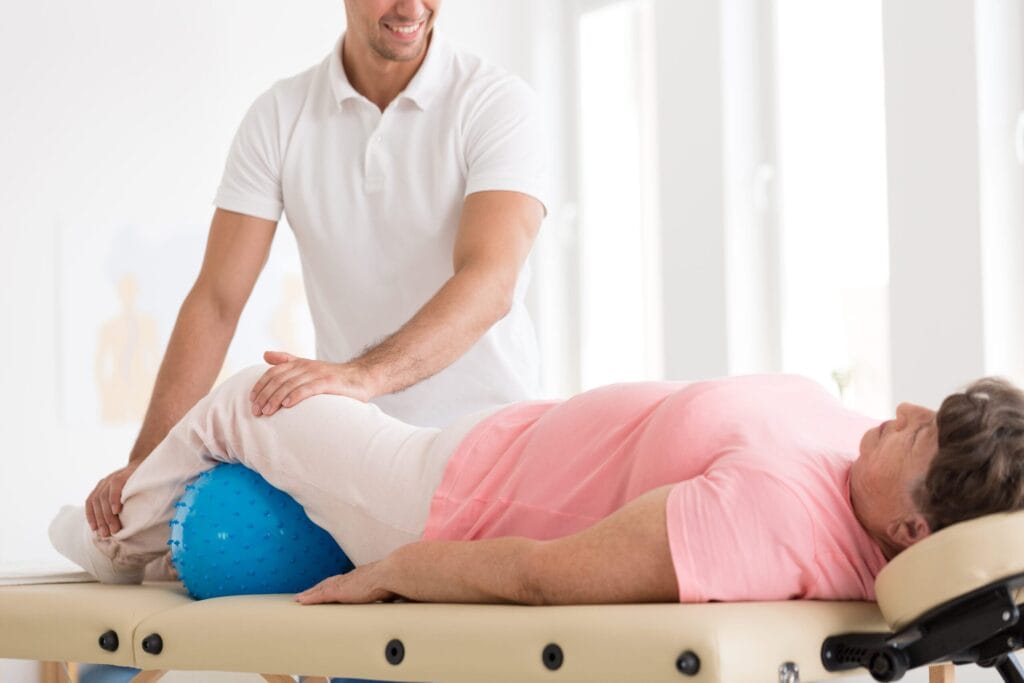
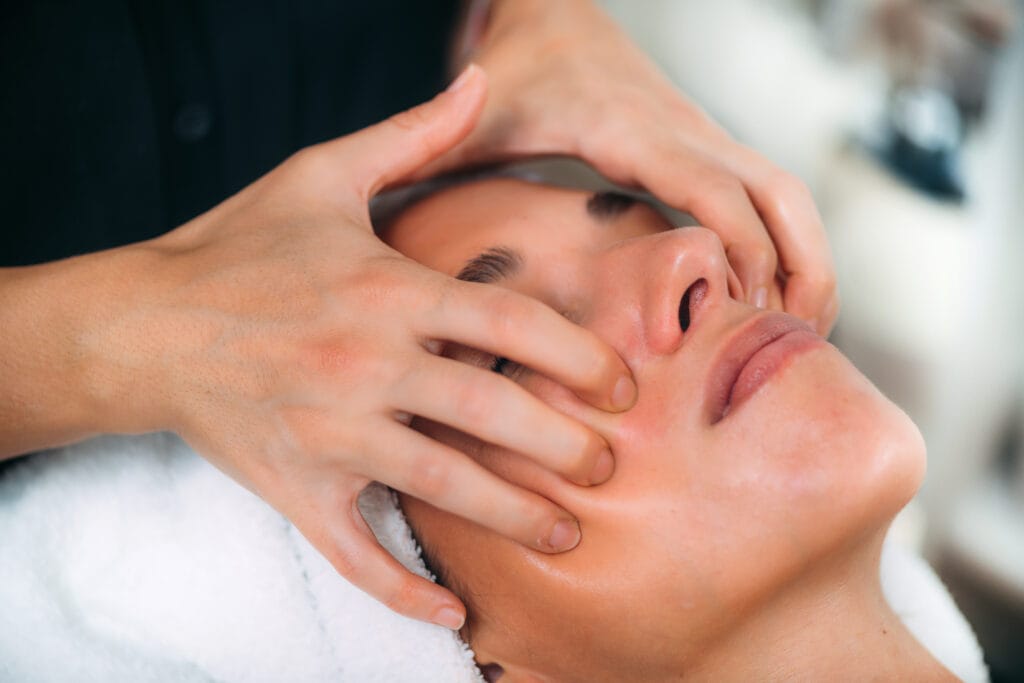
There are two very different ways to end up exhausted, and they are nothing alike.
One is the stiff neck and the racing mind: you get home, sit on the sofa, and keep going over the five o'clock meeting. The other is the legs: you take off your shoes and notice your ankles are swollen and your feet feel heavy, as if you've carried the entire day from your knees down.
Do you recognize yourself in either of these? Choosing well between a relaxing massage and a lymphatic drainage massage starts right there: by knowing which of the two you are experiencing today.
When someone calls us for the first time to request a session, one of the most common questions is: «"Should I get a relaxing massage or a lymphatic drainage massage?"». And the answer always starts the same way: it depends on what your body is asking for at that moment. In this guide, we help you choose between one and the other based on the sensations that predominate that day.
At a glance: relaxing vs. draining
| Relaxing massage | lymphatic drainage massage | |
|---|---|---|
| So that | Disconnect and enter into deep calm | Feeling of lightness in legs |
| Sensation | Enveloping, slow, comforting | Very smooth and rhythmic, almost hypnotic |
| When it fits | Intense week, tension, emotional exhaustion | Tired legs, many hours on your feet, after traveling |
| Pressure | Media, always adaptable | Minimal, very light |
| Duration | 50 or 80 min | 50 or 80 min |
What does each massage aim to achieve?
Before we continue, a practical note: The relaxing one is reserved as such, and the draining work is incorporated within that same session When you request it. In practice, you always book a relaxing massage and decide with us how much of the leg lymphatic drainage will be. There's no difference in price or duration, and you can change your mind upon arrival.
The relaxing massage It's a wellness experience that invites the body into a state of deep calm. Its enveloping, slow, and rhythmic movements are especially appreciated when fatigue is more emotional than physical, when your body feels heavy after an intense week, or when you're simply looking for a moment to disconnect.
The wellness lymphatic drainage massage It is, however, a modality with a very different sensory profile: extremely gentle movements, almost like a rhythmic caress, which many people describe as hypnotic. It is especially appreciated when you notice your legs are heavy at the end of the day, after a day of standing or sitting, or after a long trip.
How to choose based on how you feel
A simple way to guide yourself is to listen to what feeling predominates that day:
- If the main feeling is Muscle tension, racing mind, difficulty switching off, or emotional exhaustion → relaxing massage.
- If the main feeling is Heaviness in the legs, heavy ankles, or a heavy body after a long day → lymphatic drainage massage for well-being.
- If both feelings coexist, we can combine techniques in a single session adapted to your needs.
The three-question test
If you're still unsure, try answering these three questions. It usually becomes clear in thirty seconds.
1. If you could fix just one thing today, would it be your head or your legs?
If your biggest problem is not being able to switch off, try the relaxant. If your biggest problem is literally your legs, try the lymphatic drainage. It's the question that most often resolves the doubt on its own.
2. What do you prefer right now: having your back worked firmly, or barely being touched?
There are days when your body craves gentle touch, and days when any pressure is unnecessary. The relaxing massage uses a medium, enveloping pressure; the lymphatic drainage massage is so gentle that it surprises many people the first time they try it. If the idea of firm pressure makes you feel lazy just thinking about it, you already have your answer.
3. How do you end the day: with your jaw clenched or with a sock mark?
It's a silly but surprisingly reliable test. A clenched jaw, rounded shoulders, and a tired brow point to relaxation. Sock marks, slightly swollen ankles, and a heavy feeling when climbing stairs point to drainage.
Two out of three on the same side? You know what to book. A tie? Then a combined session is for you, and you're neither the first nor the last: it's more common than you think.
What if I'm not sure?
It's perfectly normal to have doubts, and that's okay. That's why we talk to you before each session: you tell us how you feel coming in, and from there, we adjust the session—or combine both techniques—to what your body needs that day. If it's your first time, we'll guide you with no obligation; you never have to make a choice blindly.
What to expect from each session
The session lasts 50 or 80 minutes, takes place on a massage table with oil, and is performed in a softly lit environment designed to help you relax. The relaxation approach involves using gentle, enveloping techniques on the entire body; the lymphatic drainage approach focuses primarily on the legs and ankles, using minimal pressure. These can be split: half a session of each is a very common request. We always reserve an additional 10 minutes for your welcome and a peaceful closing.
It's important to know that both are wellness and relaxation practices. They are not healthcare and in no way replace the advice, assessment, or care of a qualified healthcare professional. If you have a diagnosed health condition or are in a recovery process, consult your qualified healthcare professional first.
What neither of them does
We prefer to be clear, because in this sector things are promised too readily and then the customer is the one who suffers the disappointment.
- They don't make you lose weight. No massage session replaces diet or exercise, and anyone who tells you otherwise is just selling you a bill of goods.
- They do not "eliminate toxins". It's a phrase often repeated in spa brochures that doesn't describe anything concrete. What people do describe is a feeling of lightness, and that's exactly what we offer.
- They do not replace healthcare. If there is persistent swelling, intense discomfort, or anything else that worries you, the first thing to do is see your doctor, not go to a hospital bed.
- They can't fix a tension that's been building for six months in one session. A single session makes a noticeable difference, quite a lot. But what you've been carrying around since March needs more than just an afternoon.
That said, within the realm of what they do—which is to enhance the feeling of calm, ease, and lightness—the difference between choosing wisely and choosing blindly is remarkable. That's why it's worth taking these five minutes before booking.
Frequently Asked Questions
Can I combine both in the same session?
Yes. If you experience both tension and heavy legs, we'll adapt the session to address both. Just let us know when you book or upon arrival, and we'll make the arrangements.
Which one is softer?
The draining massage: its pressure is minimal and its rhythm very slow. If you're looking for a more enveloping and complete body workout, the relaxing massage is a better fit.
Where are you located and how do I make a reservation?
In Granada city center, at 48 San Jerónimo Street. You can book online through our website. massage menu in Granada or write to us via WhatsApp if you prefer to confirm availability beforehand.
Related guides
- Relaxing massage: what it is, what it's for and types — the complete cluster guide.
- Relaxing massage to relieve menstrual discomfort — a care pause on sensitive days.
- Wellness lymphatic drainage massage — a complete guide — sensations, profiles and recommendations before and after.
- Massage and a feeling of bodily well-being — a complete guide with techniques and habits that support well-being.
If you're unsure which session best suits your needs, the easiest thing to do is ask us. At Quiroesencia, we'll talk with you before your session to ensure the support is the most appropriate for you. Explore our massage menu in Granada.
The relaxing and lymphatic drainage massages we offer at Quiroesencia are wellness and relaxation practices. They are not medical care and in no way replace the advice, assessment, or treatment of a qualified healthcare professional. If you have a diagnosed medical condition or any specific health concerns, please consult your qualified healthcare professional first.