In spring, you leave the house with more enthusiasm, almost without meaning to. In November, on the other hand, it's hard even to go outside. It's not just the cold: there's something about how the light changes that also affects your mood.
Does this sound familiar? When we talk about yoga and emotions, we usually think about the practice, the postures, the breathing. But there's a broader context behind it all: the environment that surrounds us, and that environment is constantly changing with the seasons.
How the seasons affect mood
The changes in light, temperature, and rhythm that each season brings influence our mood and overall energy levels. Autumn invites contemplation, winter introspection, spring expansion, and summer extroversion. Recognizing these cycles helps us live with less friction, instead of expecting to have the same energy levels all year round.
How to adapt the practice according to the times
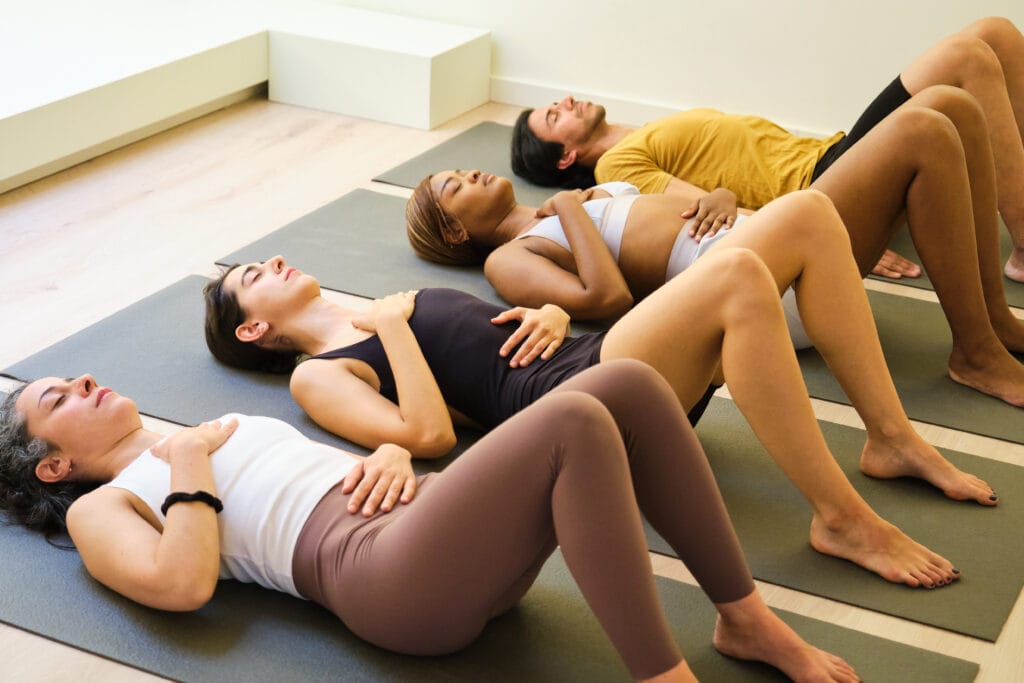
- Autumn and winter: Slower, more restorative practice. Supported postures, more time in each one, breathing that encourages slowing down rather than speeding up.
- Spring: A good time to resume movement with a bit more rhythm, taking advantage of that energy that usually appears on its own.
- Summer: More active and outdoor practices if the heat allows, and seek shade and the coolest time of day to avoid overexertion.
Adapting the practice to each season, instead of always repeating the same routine, helps to channel the emotional energy of the moment and navigate changes with less resistance.
If you notice that the low mood persists for several weeks or you find it difficult to carry on with your normal life, it's no longer just the change of season: discuss it with your doctor or a mental health professional.
To continue reading
- Self-care in autumn
- Restorative Yoga for Burnout
- Seasonal massage for emotional balance
- Meditation to cope with change
If you want to practice with a partner depending on the time of year, you have our Yoga classes in Granada.