Craniosacral massage is a subtle and profound manual technique that works on the body's central axis: the skull, spine, and sacrum. Unlike traditional muscle massage, craniosacral therapy works very gently on the nervous system, based on the concept of a subtle rhythm—known as the craniosacral rhythm—that reflects the pulsation of cerebrospinal fluid as it flows between the skull and sacrum. When this rhythm is disrupted by physical or emotional tension, or by accumulated stress, craniosacral therapy aims to create the conditions for the body to regain its natural balance.
What makes this technique unique is its gentleness: very soft, almost imperceptible pressure is applied. There is no forcing, no stretching, no intense manipulation. The body is listened to. And when the body is listened to with respect, it tends to respond.
Craniosacral massage is not an "esoteric" technique. It has an anatomical and physiological basis, and its connection to the nervous system makes it one of the most valuable tools for physical and emotional well-being. It does not replace medical care, but it can be a very valuable complement.
How Craniosacral Massage Supports the Nervous System
The skull is composed of several bones joined by sutures that retain a capacity for micromovement. This movement is part of the craniosacral rhythm, which propagates along the spinal cord and influences the well-being of the entire body.
When there is tension—whether physical, like a fall, or emotional, like chronic stress—this rhythm can be disrupted. Craniosacral therapy works to support the release of restrictions that may impede the natural movement of the skull bones, intracranial membranes, and sacrum, helping the nervous system regain its optimal balance.
What Can Craniosacral Massage Offer
These are some of the effects that are frequently observed in a session:
- Reduction of feelings of stress and nervous exhaustion — many people report a profound emotional relief, as if the body were releasing an accumulated burden.
- Stress relief — especially in areas such as the neck, jaw, back, or sacrum. Relief is usually noticeable when it is accompanied by the release of the cranial membranes and the deep fascial system.
- Improved sleep — By calming the nervous system, many people report an improvement in the quality of their sleep.
- Greater mental clarity — a feeling of internal «order», focus and tranquility.
- Emotional support — it does not replace psychological therapy, but it can be a valuable space to release accumulated emotional tension.
If you have persistent discomfort such as frequent headaches, jaw tension, dizziness, or ringing in your ears, we recommend consulting your doctor to rule out other causes before starting any type of manual therapy session.
Who is it suitable for?
This technique is so gentle that it can be applied to people of very diverse ages and situations. It is non-invasive and can complement other wellness approaches. Some of the people who benefit most are those with high levels of accumulated stress, tension in the neck or jaw, difficulty sleeping well, or those seeking a space for deep reconnection with their bodies.
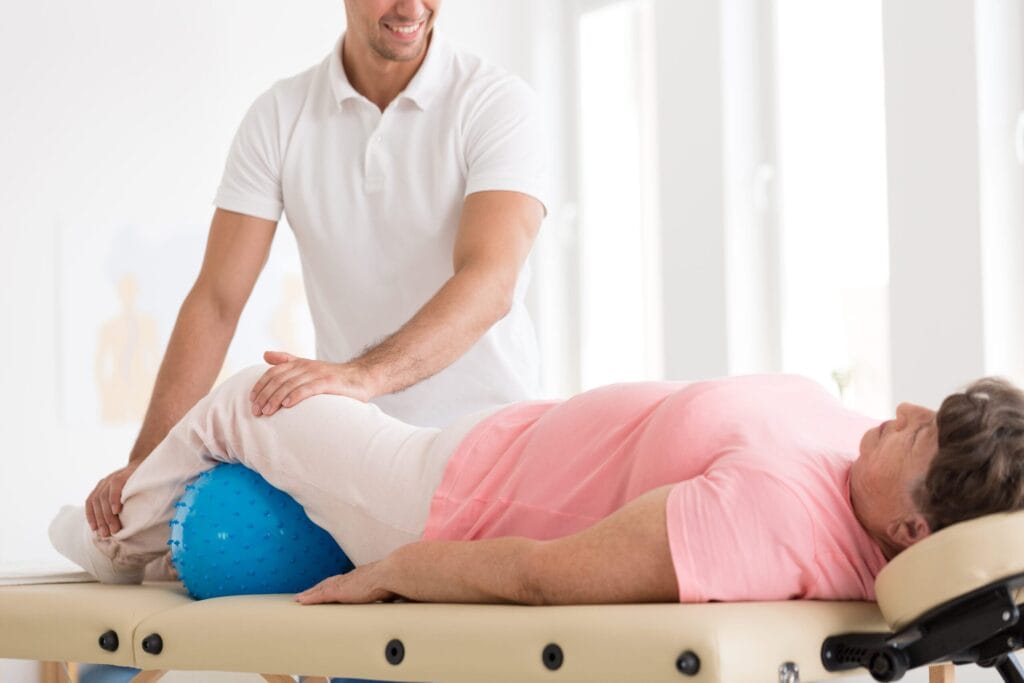
In babies, it should be applied with extreme gentleness and always in coordination with a pediatrician. Its gentleness makes it especially suitable for the elderly.
What Happens During a Session?
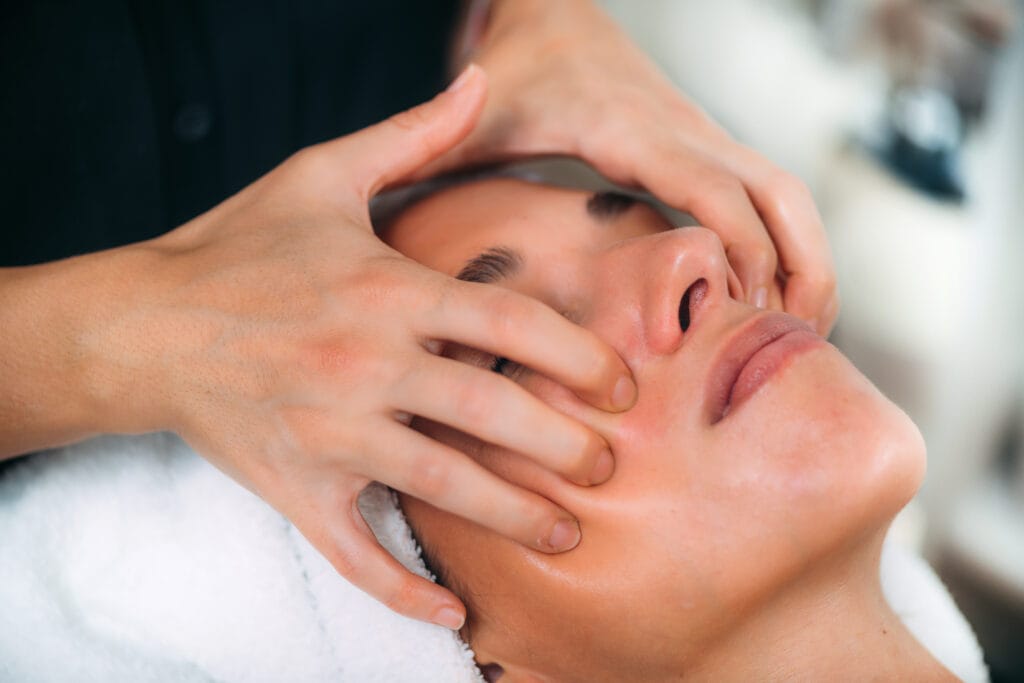
A craniosacral massage session is unlike anything you've experienced with other manual techniques. There are no oils or intense manipulations. The person lies on their back, fully clothed and comfortable. The therapist places their hands on key areas—the skull, neck, sacrum, sometimes the chest or abdomen—and with very gentle touch begins to perceive the craniosacral rhythm, identify areas of tension, and guide their release.
The key is listening. No movement is imposed, nothing is "corrected" in a directive way. Space is created for the body to self-regulate.
During the session, many people enter a state of deep calm. They may experience warmth, a feeling of lightness, or simply profound relief. Each body reacts uniquely. The session typically lasts 45 to 60 minutes. Afterward, it is recommended to take a few quiet minutes before resuming strenuous activities.
Differences with Other Techniques
Compared to traditional muscle massage, which works directly on the muscle with pressure and kneading, craniosacral therapy doesn't aim to relax from the outside but rather to support a deeper process originating in the nervous system. Unlike other more intense structural manual techniques, its movements are much gentler and less directive. And unlike energy techniques, craniosacral therapy works on actual structures: bones, membranes, cerebrospinal fluid, and fascia.
The most valuable aspect is that it can be combined with other techniques without conflict. At Quiroesencia, we often integrate craniosacral massage with techniques such as sustained deep pressure, conscious breathing, or... relaxing massage in Granada, according to what each body needs.
Frequently Asked Questions
Does it really work if you barely feel the contact? Yes. The nervous system responds best when it feels safe. Gentler touch sometimes elicits a deeper response than more intense touch.
Do you have to believe for it to work? No. It's an anatomically based technique, not a matter of faith. It works because it supports a physiological process.
Does it cure diseases? It is not a cure on its own, nor does it replace medical care. It is a wellness complement that can contribute to quality of life and stress management.
Can it hurt? During the session, no. The touch is so gentle that most people find it very pleasant. Afterward, there may be a feeling of tiredness or release, which is part of the process.
How many sessions are necessary? It depends. Some people notice changes from the first session. Others need a longer process. Ideally, you should listen to your body and respect its pace.
Craniosacral Massage in Granada — Quiroesencia
At Quiroesencia we believe that the balance between body and mind is cultivated every day. Our massage center and Yoga in Granada It's located in the heart of Granada. Check out our page on massages in Granada to learn about all available services.