Massage to alleviate swelling: well-being, care, and session frequency
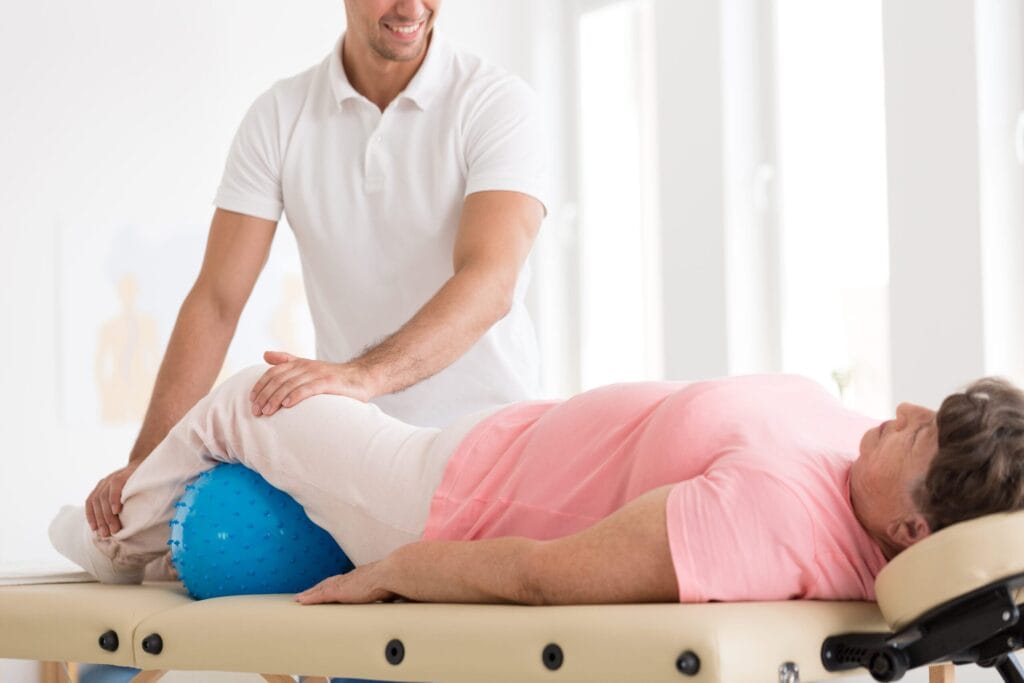
The feeling of bloating often appears after a long day, overexertion, or a change in routine. While not a problem in itself, when it becomes persistent it can cause discomfort, stiffness, and a loss of perceived well-being. Massage, as a manual wellness technique, is a practice recognized for its ability to support physical well-being in these contexts, always as a complement to, and never as a substitute for, professional healthcare.
The frequency of sessions and the care taken between them are aspects to consider when incorporating massage as a wellness resource. This article explores how it can be a supportive tool and what practical considerations to keep in mind, always consulting a healthcare professional beforehand if a diagnosed condition exists.
Swelling and massage: how can it help?
Some of the sensations that people describe after a massage session in this context are:
- Greater feeling of lightness and comfort in the treated area
- Reduction of perceived muscle tension and the sensation of stiffness
- Greater sense of general relaxation and well-being
- Promoting a state of physical and mental calm
Let's be clear: if this sensation is associated with a diagnosed condition, or if it's persistent, intense, or occurs only on one side of the body, your first step should be to consult a qualified healthcare professional. A wellness session can be helpful, but it's never the primary resource and doesn't replace any other treatment.
What do you look for in a wellness massage session?
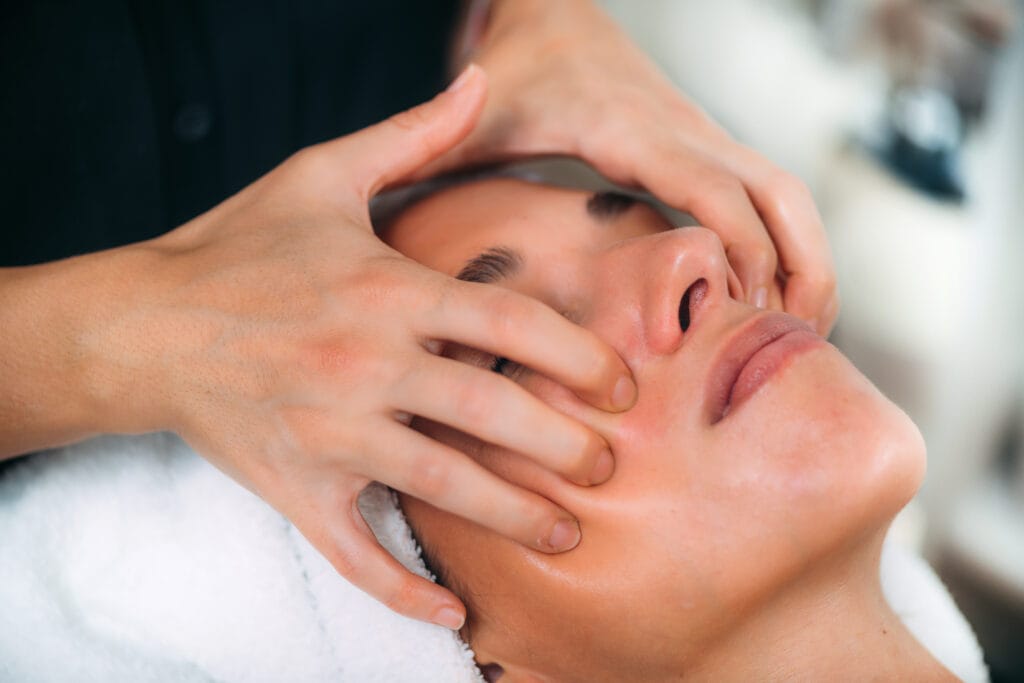
- Respectful manual supportThe massage seeks to create a space of bodily calm through conscious and adapted touch.
- Feeling of greater comfortMany people describe an improvement in their overall sense of comfort after the session.
- State of restThe atmosphere and rhythm of the massage invite a state of calm that can accompany better rest.
Frequency of sessions and care between visits
The ideal frequency depends on each person, the area being treated, and the intensity of the sensations. Care between sessions—hydration, adequate rest, gentle movement—is also part of the wellness journey. At Quiroesencia, we have an initial consultation during the first session and reassess at each visit. As a general guideline:
- For muscle tension and mild sensations: a weekly or bi-weekly session may be enough to maintain a wellness routine.
- For situations of greater recurrence: it may be advisable to start more frequently and gradually space them out.
- For conditions requiring medical monitoring: the guidelines should always be agreed upon with the responsible healthcare professional.
Safety considerations
- Communication with the massage therapistBefore we begin, we offer you a questionnaire that allows us to adapt each session safely and personally.
- When is not the timeIf you have an active or recent health condition, a wellness session is not the appropriate resource at that time. We will discuss this with you before starting and, if necessary, recommend consulting your qualified healthcare professional.
- Listen on every visitWe ask how you feel each day and adjust the pace, pressure, and target areas accordingly. You can request changes at any time during the session.
- Our roleWe are massage therapists and we work on wellness and relaxation. If you are currently undergoing medical treatment, that process is guided by the qualified professional managing it, not by us.
When the feeling is one of heaviness and heavy legs at the end of the day, the best approach is lymphatic drainage, which we incorporate within a session of relaxing massage in Granada When you ask for it, at no extra cost. If, on the other hand, you notice a specific muscle area that hasn't given way for weeks, the [other option] is a better fit. deep tissue massage.
To continue reading
- Wellness lymphatic drainage massage — the complete guide to the soft, rhythmic approach.
- lymphatic drainage massage for heavy legs — who it suits and what the session is like.
- Relaxing or draining? — the three-question test.
- Foot reflexology — when the heaviest part is directly the feet.
- WhatsApp: +34 621 217 595
- 48 San Jerónimo Street, Granada